 Arctic Council Working Group
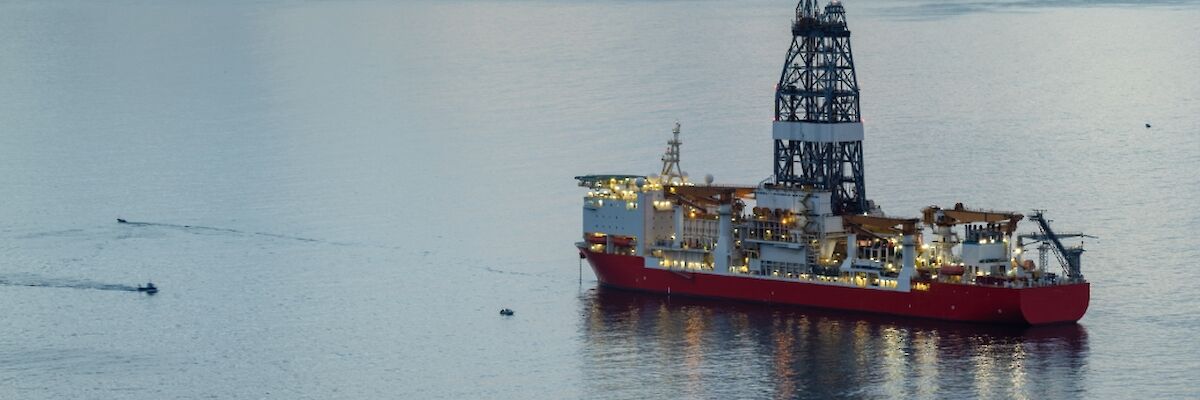
Non-living Marine Resource Investigation in the Arctic (MARINA)
MARINA – Non-Living Marine Resource Investigation in the Arctic – is a PAME project assessing the status of Arctic offshore oil and gas, seabed minerals, carbon management and alternative marine energy in the Arctic States, laying the groundwork for sharing experience and lessons learned as new non-living marine resources in the Arctic are explored and developed.
- Expert GroupResource Exploration and Development (REDEG)
- LeadUnited States and PAME Secretariat
- Work planPAME 2025–2027
- StatusReport in preparation
Why new Arctic marine resources need attention
The Resource Exploration and Development Expert Group (REDEG) has historically focused on Arctic offshore oil and gas. New and emerging resources in the Arctic marine environment now also require REDEG's attention.
Nascent technologies, alternative energy and carbon management methods – such as sub-seabed carbon sequestration and marine carbon dioxide removal – are all being considered for deployment. They could contribute to energy diversification, environmental resilience, risk reduction and economic opportunities in the Arctic. However, as with offshore oil and gas, community concerns and environmental impacts must be thoroughly evaluated and addressed.
Arctic marine resources covered
Offshore oil and gas
Updates to information already compiled in REDEG's Arctic Offshore Oil and Gas Regulatory Resource (AOOGRR) and the 2021 report on the status of Arctic offshore oil and gas.
Seabed minerals
Polymetallic nodules, polymetallic sulphides, cobalt-rich ferromanganese crusts and heavy mineral sands.
Carbon management
Including sub-seabed carbon sequestration and marine carbon dioxide removal.
Alternative marine energy
Offshore renewable and other emerging forms of marine energy in Arctic waters.
Objectives
- Compile information on the status of non-living marine resource exploration and development in the Arctic. This includes an inventory of relevant projects and activities in the Arctic States' marine environments – past, present and planned.
- Inform the direction of future REDEG work, including potential environmental considerations and multi-use marine management in the Arctic.
Main activities
- A desktop literature review giving an overview of new and existing non-living resources in marine environments, including benefits, risks and uncertainties.
- Gathering information on current and planned projects in the Arctic States, through publicly available information and by interviewing or surveying key regulatory agencies in each State, as appropriate.
- Collecting and summarizing the data in tables and maps.
- A report on the current and potential near-term state of non-living marine resource activities in the Arctic marine environment.
Survey of Arctic States
A survey was sent to the Arctic States through PAME Heads of Delegation. For each offshore resource activity, States are asked the same set of questions on:
- Legislation and regulations
- National policy
- Activities in the Arctic
- Arctic resource assessment
- Environmental management
- Engagement with Indigenous Peoples and local communities