 Arctic Council Working Group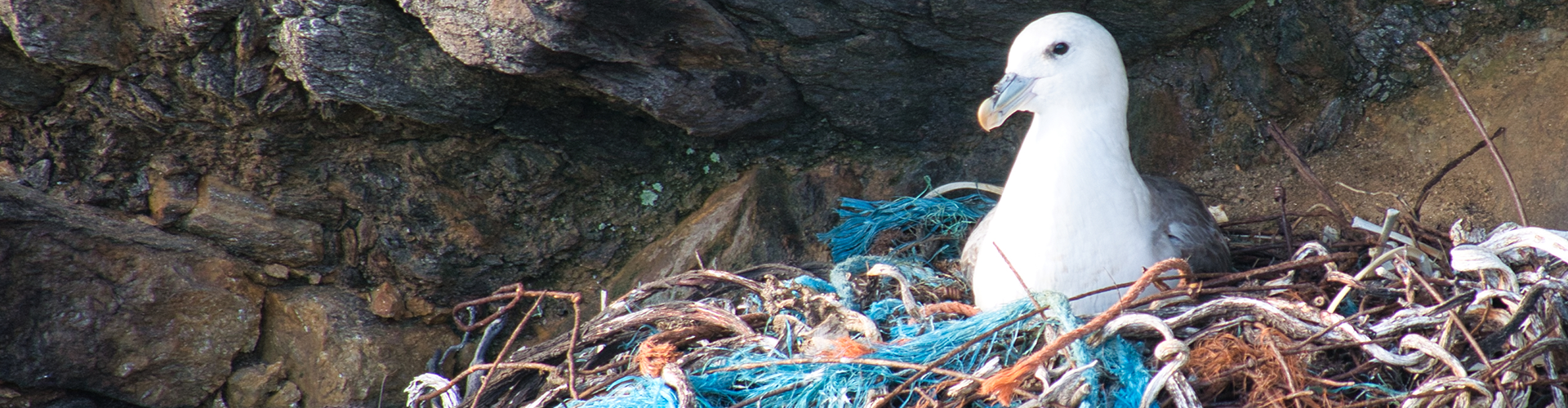
Protection of the Arctic Marine Environment
PAME focuses on Arctic Council activities related to the protection and sustainable use of the Arctic marine environment.
PAME activities address marine policy measures and other measures related to the conservation and sustainable use of the Arctic marine and coastal environment in response to environmental change from both land and sea-based activities. These activities include non-emergency pollution prevention control measures, such as coordinated strategic plans, as well as developing programs, assessments, and guidelines. See Our Work to find out more.
Our Work
Explore PAME's work in the following areas.
Live map
Plastic in a Bottle
GPS capsules drift with the ocean currents to show how marine litter travels in and out of Arctic waters. Follow every journey on our live map.
- 4capsules at sea now
- 649days: longest journey
- 83.9°Nnorthernmost launch
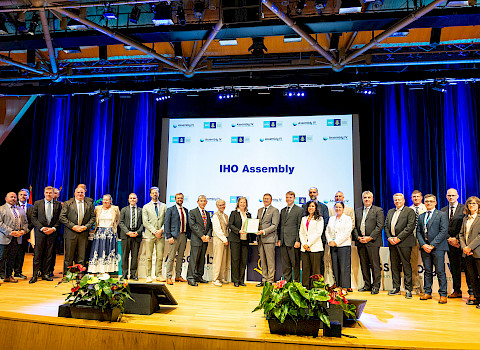
1–2 February 2027 · IMO Headquarters, London
2027 Polar Maritime Seminar
Eight sessions on the state of polar shipping.
Registration is open until 26 January.


Arctic ship traffic, 2013 and 2025
Ship tracks from the Arctic Ship Traffic Data (ASTD) system. Switch ship types on and off with the buttons below the map. Drag to turn the globe, use + and − to zoom.
Source: PAME, Arctic Ship Traffic Data (ASTD), www.astd.is. Fishing vessels include fish factory ships and fish carriers. Land: Natural Earth.
What changed between 2013 and 2025?
Shipping in the Arctic Polar Code area, from PAME’s Arctic Shipping Status Report #1.
Twice the distance, 40% more ships.
Unique ships
+40%
Distance sailed
+95%
Gas tankers
1 → 40
Driven by the Yamal LNG project in Russia: from 0 to 866,147 nautical miles sailed.
Bulk carriers in Baffin Bay
5 → 32
Linked to the Mary River iron ore mine on Baffin Island, which opened in 2015.
Cruise ships
+43%
Tugs
+106%
More than doubled.
September sea ice
−15%
Average Arctic sea ice extent in September.
Fishing vessels
40%
of all ships in 2025 were fishing vessels, the largest group by far.
Source: PAME – Arctic Shipping Status Report (ASSR) #1, updated 2026. Numbers refer to the Arctic Polar Code area, except bulk carriers in Baffin Bay (Baffin Bay Large Marine Ecosystem) and sea ice (whole Arctic; US National Snow and Ice Data Center, as cited in the report).
FEATURES
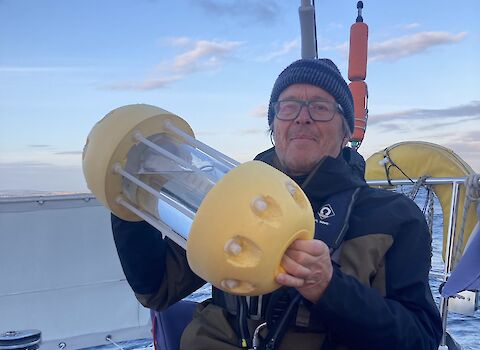
PAME Scotland: Dutch Initiative Launches Third Litter-Tracking Capsule
Third launch by the Netherlands of Plastic in a Bottle - this time from a new location.