 Arctic Council Working Group
PAME convenes successful webinar on the Cape Town Agreement
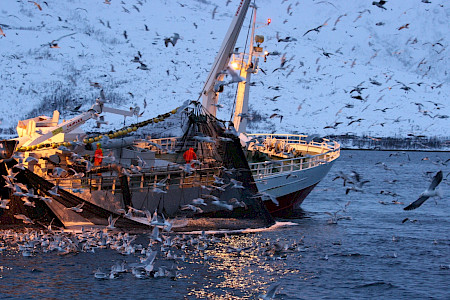 The Protection of the Arctic Marine Environment (PAME) Working Group of the Arctic Council successfully convened a webinar on 4 June 2026 dedicated to the 2012 Cape Town Agreement (CTA) and its significance for fishing vessel safety in the Arctic and beyond.
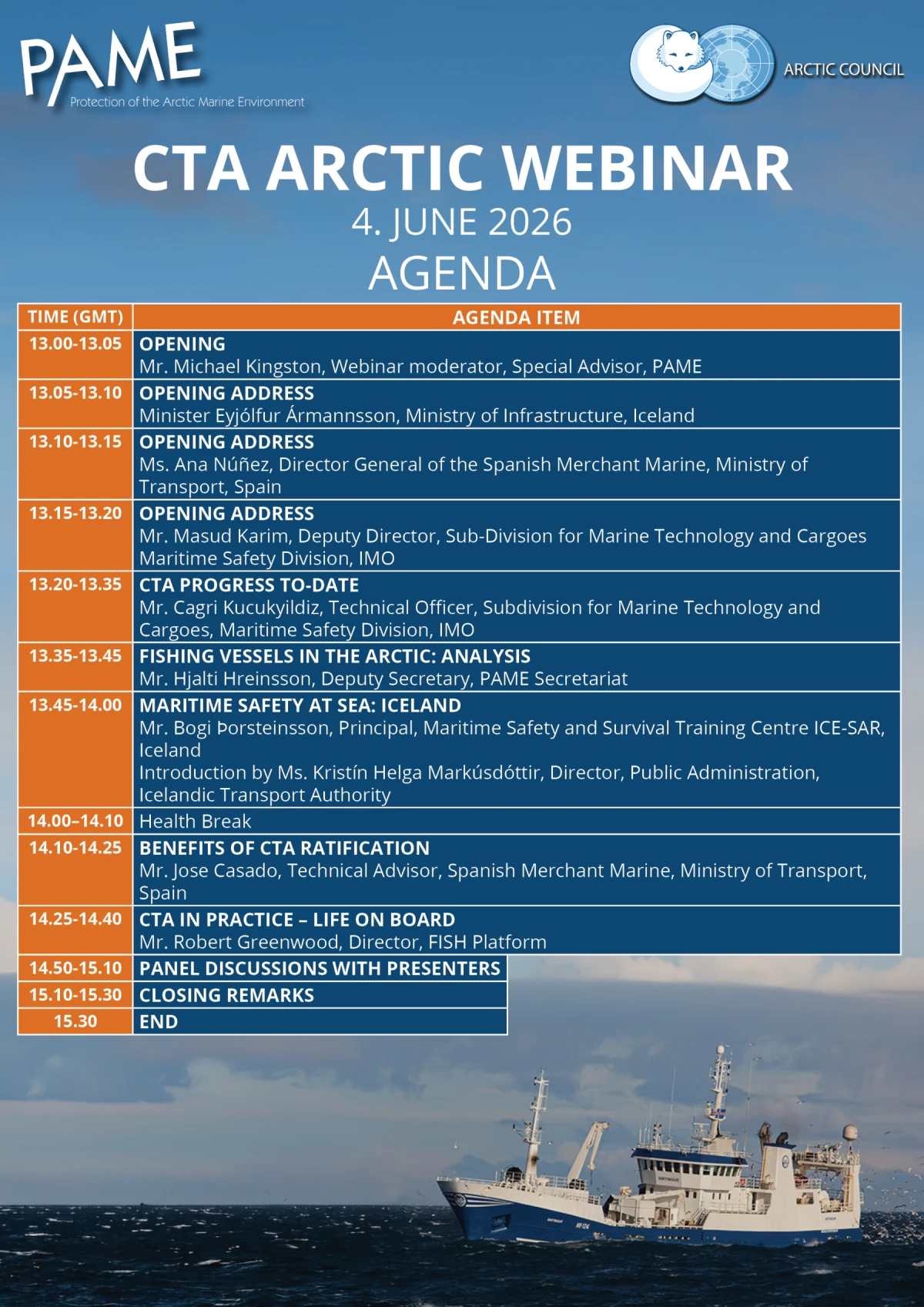
The webinar, moderated by maritime expert Michael Kingston, brought together experts from the fishing industry, international maritime organizations, national authorities, NGO's to share knowledge and experience ahead of the Agreement's entry into legal force in February 2027.
Minister Eyjólfur Ármannsson delivered an opening address on behalf of Iceland, as did Ana Nunez for Spain and Masud Karim for IMO. The webinar agenda is available here and a list of registrations here- with 90 registrations from 27 countries and international organizations and NGO's. Representation spanned Arctic States and their authorities — as well as major observer states such as Spain, the United Kingdom, South Korea and France.
About the Cape Town Agreement
The Cape Town Agreement is an international treaty establishing the first mandatory global safety standards for the design, construction, and equipment of commercial fishing vessels of 24 metres and over. Having reached its official ratification threshold in February 2026, the Agreement will enter into legal force in February 2027 — a landmark moment that will extend to fishers legally binding safety protections and vessel inspection regimes long enjoyed by the merchant shipping industry.Fishing is one of the most dangerous professions in the world, with an estimated 80 lives lost per 100,000 fishers on average. Globally, around 45,000 fishing vessels of 24 metres and over operate in marine waters, crewed by a workforce far larger than that of the commercial shipping sector, yet subject to far fewer mandatory safety obligations.
The Webinar
Five presentations covered the full scope of the Agreement's progress and implementation. All presentations are available below:
- Opening Address, Michael Kingston, Webinar Moderator
- Opening Address, Minister Eyjólfur Ármannsson, Iceland
- Opening Address, Ana Nunez, Spain
- Opening Address, Masud Karim, IMO
- Mr. Cagri Kucukyildiz, Technical Officer at the IMO's Subdivision for Marine Technology and Cargoes, opened with an overview of CTA progress to date, drawing on IMO's central role in driving ratification efforts worldwide.
- Mr. Hjalti Hreinsson, Deputy Secretary of the PAME Secretariat, presented an analysis of fishing vessel activity in the Arctic, highlighting the particular safety challenges of operating in the region's unique and demanding environmental conditions.
- Mr. Bogi Þorsteinsson, Principal of Iceland's Maritime Safety and Survival Training Centre, discussed maritime survival training practices in Iceland and their relevance to Arctic fishing vessel safety.
- Mr. Jose Casado of Spain's Directorate General for the Merchant Marine presented on the benefits of CTA ratification, drawing on Spain's experience as one of the Agreement's early state parties.
- Mr. Robert Greenwood, Director of the FISH Platform, closed the session with a practitioner's perspective on what the CTA means in practice — life on board fishing vessels.
- Closing Remarks, Michael Kingston, Webinar Moderator
PAME's Role
PAME launched its CTA project in 2021 with the aim of raising awareness within the Arctic Council of the Agreement's provisions and supporting the international momentum needed to meet the entry-into-force criteria. Led by Iceland, Spain and IMO, the project has convened a correspondence group, contributed fishing vessel data and analysis through the Arctic Ship Traffic Data (ASTD) System, and engaged Arctic and observer states on ratification challenges and national legislation, to compliment IMO's world series of CTA regional webinars.Presentations from the webinar are available on the CTA Webinar page.